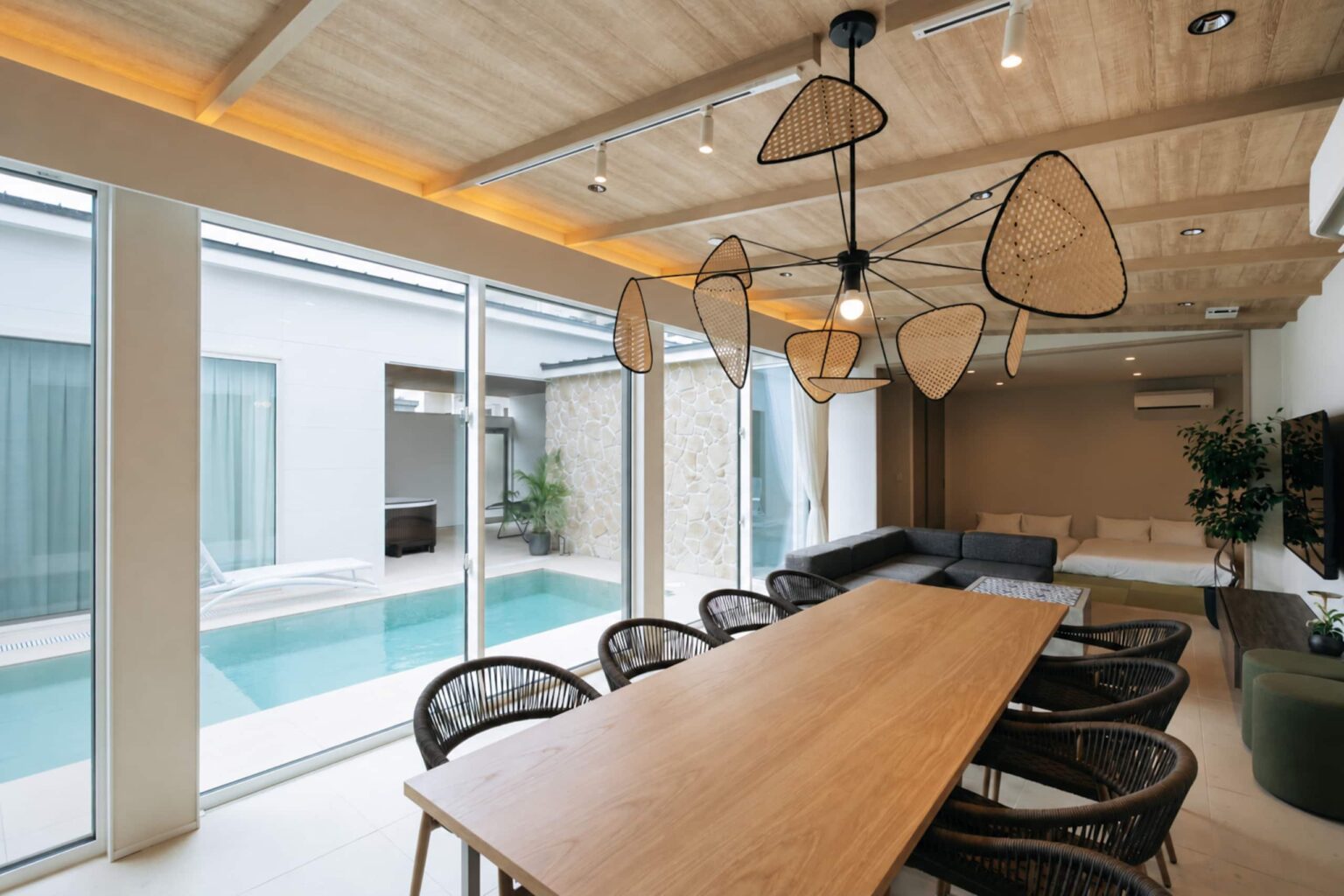
Make two uses work within one layout
Family members know where things belong; first-time guests do not. Excess belongings can make a guest room confusing, while removing everything creates packing work for the owner. Separate shared items, private belongings and operating supplies before deciding where storage will go.
The revenue site’s private-use guide covers days and contractual conditions. This article focuses on the building and operating brief: how to return the property to a consistent guest-ready condition after a family stay.
Define three storage zones and access rights
| Zone | Examples | Planning question |
|---|---|---|
| Guest use | Tableware, spare towels, everyday cleaning items | Can guests find and use them without guesswork? |
| Owner only | Clothes, personal belongings and documents | Can the storage be secured without taking guest space or obstructing escape routes? |
| Operations | Linen, consumables, cleaning supplies and parts | Can staff replenish safely without guests accessing unsuitable items? |
Label the zones on the plan and assign responsibility for keys and access-code changes. Chemicals require storage appropriate to product instructions and specialist advice. Do not leave this to whichever cupboard is spare later.
Walk through the changeover
After an owner stay, someone still needs to check belongings, replace linen, clean bathrooms, replenish supplies and inspect equipment. Family tidying is not a substitute for a defined readiness check. Include the pool and outdoor furniture in the task list.
Mark routes for used linen, clean supplies, wet outdoor belongings and laundry on the plan. Where these cross food preparation or guest circulation, discuss storage, entrances and finishes with the architect and operator.
Illustrative example: a five-night family stay
This is a planning example, not an operating record. Blocking five nights alone does not establish that a guest can arrive immediately after the family leaves. Include preparation, departure time, cleaning availability, inspections and the readiness notification. Required turnaround time depends on the work and staffing; there is no universal interval here.
| Stage | Agree in advance |
|---|---|
| Booking the stay | Who blocks dates, by when, and how existing bookings take priority |
| Before arrival | Private storage access, equipment checks and supplies |
| After departure | Personal items, cleaning, pool inspection and responsible staff |
| Return to sale | Completed checklist, access details and reservation-calendar update |
Separate empty days from legally available trading days
Days without owner use are not automatically available for paid accommodation. Check the applicable operating regime, approvals, local conditions and maintenance closures. Japan’s Private Lodging Business Act has residential requirements and a 180-day annual limit; local restrictions must also be checked. This differs from licensed ryokan/hotel business. Consult the official guidance and the local authority.
Separate fixed ownership costs, stay-dependent expenses, post-owner-use cleaning and equipment-replacement provision. Obtain evidence and quotes before inserting occupancy or yield assumptions.
Give the architect and operator the same brief
Include family and guest use, storage, cleaning and emergency responsibilities, personal-booking rules, release-for-sale checks, regulatory questions and budget scope. KODACHI helps organise the concept and coordinate introductions; the architectural practice undertakes design. Use the land consultation page to discuss the combination of personal use and accommodation operations.
Sources and further reading
Published / sources checked: 9 November 2026